In France, 85% of people over 70 wish to stay in their homes for as long as possible, despite an increase in chronic conditions after the age of 65. However, less than a third actually adapt their housing or change their habits for prevention. The gap persists between the available tools and their effective adoption, even though simple adjustments can help maintain autonomy and quality of life. Health professionals are raising awareness about this paradox and emphasize the urgency of integrating concrete solutions into daily life.
Aging well today: what are the challenges for the health and well-being of seniors?
The aging population is transforming the daily life of the country: one in four French people has already celebrated their 60th birthday. The question of aging well no longer concerns just a few; it is now a topic in every household. Maintaining autonomy requires a new perspective on priorities, as chronic diseases increase and cancer remains the leading cause of mortality after 65.
Mental health is also part of the challenge. Isolation, the fear of depending on others, or being sidelined weighs heavily on morale. Nearly one in four elderly people experiences moments of despair or loss of confidence. Rather than minimizing these feelings, it has become urgent to change perspectives: the experience of seniors has its place, and prevention deserves to be prioritized. Adapting daily life, reviewing habits, and anticipating needs: these concrete and accessible levers pave the way for preserved quality of life.
Various complementary actions deserve attention to preserve health and balance after 65:
- Schedule regular medical check-ups to quickly identify any new health issues.
- Participate in prevention initiatives to delay the onset of certain disorders.
- Rely on friendships and family relationships, and benefit from psychological support to avoid isolation.
To navigate these steps without fumbling, online resources facilitate access to tailored advice: discover what the Néo Santé seniors page offers. It helps find the most suitable solutions for each situation or stage of aging.
What habits to adopt to stay autonomous and fit in daily life?
Regaining or strengthening one’s autonomy mainly involves simple gestures rooted in daily life. It is never too late to improve one’s diet: prioritize fruits, vary protein sources, prefer whole foods, focus on seasonal vegetables, and reduce industrial foods.
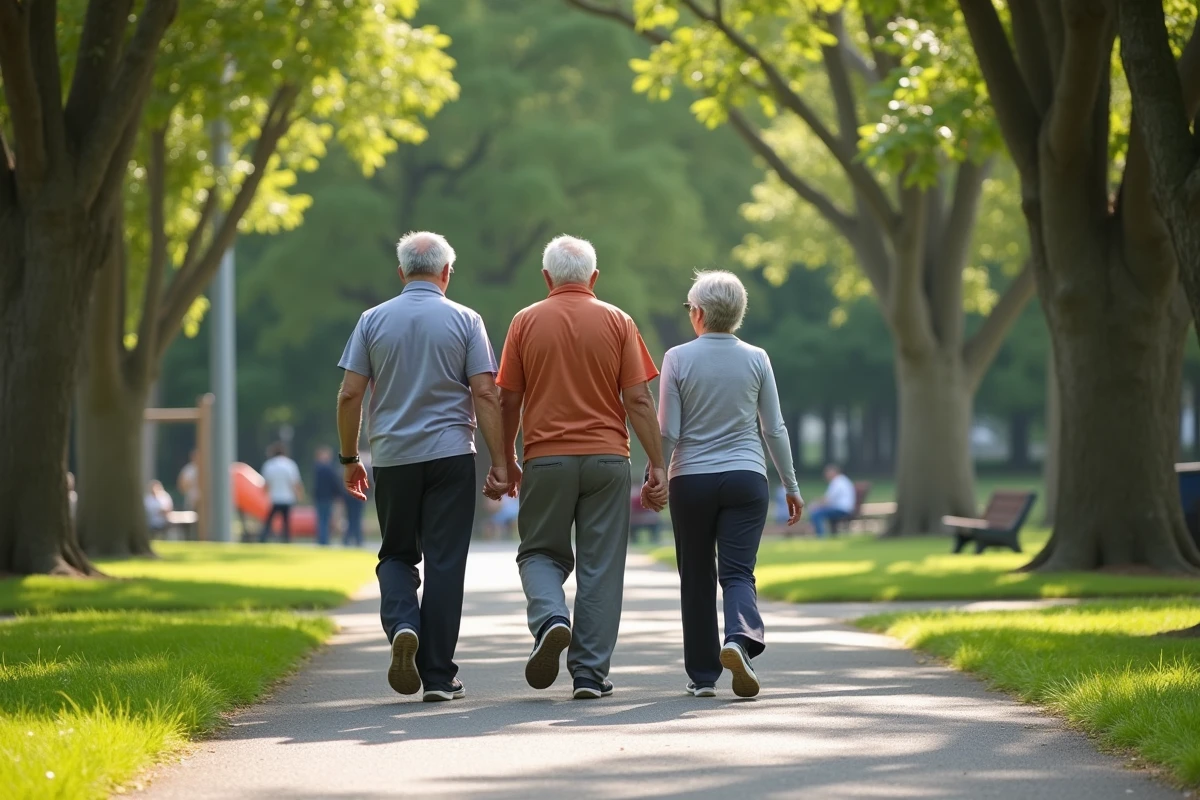
Movement, far from being trivial, ensures flexibility and balance: regular walking, adapted cycling, some stretching, gentle exercises. Even gardening or artistic activities contribute to staying fit. Social life, workshops, group outings, or community engagement also play an undeniable role: maintaining desire, curiosity, and self-esteem.
Health professionals, for their part, do not limit themselves to treating when a breaking point is reached; their perspective helps adjust practices, offers personalized assessments, and supports every necessary adaptation.
Here are the guidelines that structure a beneficial routine:
- Focus each day on a varied and balanced diet
- Include an adapted physical activity in your weekly schedule
- Maintain social connections: outings, associations, calls to loved ones
- Rely on the advice of health professionals to stay attuned to your needs
Being attentive to small signals, listening to oneself without shutting down, is also what makes the difference in the long term. Balance is not a straight line, but a sum of repeated choices that weigh each day on the right side of the scale.
Resources and practical tips to preserve well-being at home
Maintaining control over one’s living environment after 70 is not utopian: staying at home relies on a series of systems designed to support desires, as well as challenging journeys. Nearby, retirement funds, communal social action centers, or associations offer a range of concrete actions: balance workshops, fall prevention, nutritional assessments, dental care support.
Daily life is also secured by the support of caregivers. Family, neighbors, or professionals take turns to identify needs, ensure organization, and provide reassurance about procedures. Some departments go further by providing home help or teleassistance systems, allowing individuals to stay at home without taking unnecessary risks. For other profiles, assisted living facilities offer a secure compromise between independence and collective support.
Some concrete actions promote well-being at home:
- Participate locally in prevention workshops (balance, memory…)
- Have a nutritional or dental assessment done with existing services
- Benefit from assistance from retirement funds or an association to adapt your home
- Request home help services offered locally
Getting vaccinated against the flu each year remains a sensible measure, often offered at home during targeted campaigns. Today, maintaining choice over one’s living environment, surrounded and secure, is no longer a vague dream. It is the promise of a controlled daily life, where each generation moves at its own pace without losing sight of the horizon.