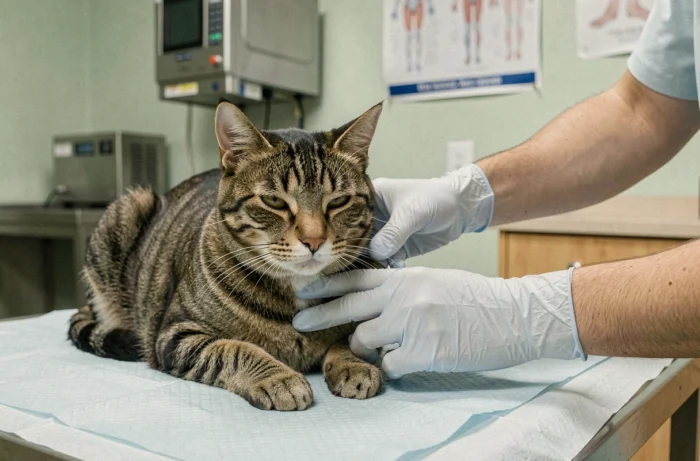
Zodon is a veterinary antibiotic whose active substance, clindamycin, targets bacterial infections in cats, particularly infected wounds and abscesses caused by strains of Staphylococcus spp. and Streptococcus spp. Like any antibiotic, its use can cause adverse reactions, the nature and severity of which vary depending on the treated cat.
Esophagitis after oral administration: the underestimated risk of Zodon in cats
Most labels mention common digestive disorders. A much more specific risk deserves particular attention: clindamycin can cause esophagitis if the tablet gets stuck in the esophagus. A cat that swallows a tablet dry is at risk of inflammation or even ulceration of the esophageal mucosa.
In the most severe cases, this lesion can progress to permanent esophageal stricture, meaning a narrowing of the passage that makes long-term feeding difficult. The warning signs to look out for are specific: sudden hypersalivation, repeated gagging, regurgitation, or visible difficulty swallowing.
The solution lies in the administration technique. Following each dose with a bit of water (using a syringe without a needle) or a small ball of wet food ensures that the tablet passes through the esophagus properly. Even better, the liquid solution Zodon 25 mg/mL represents an alternative to discuss with the veterinarian, especially for cats that have difficulty accepting tablets or that eat little during their treatment.
The side effects of Zodon in cats are therefore not limited to the usual digestive disorders, and this esophageal complication is often absent from discussions among owners.
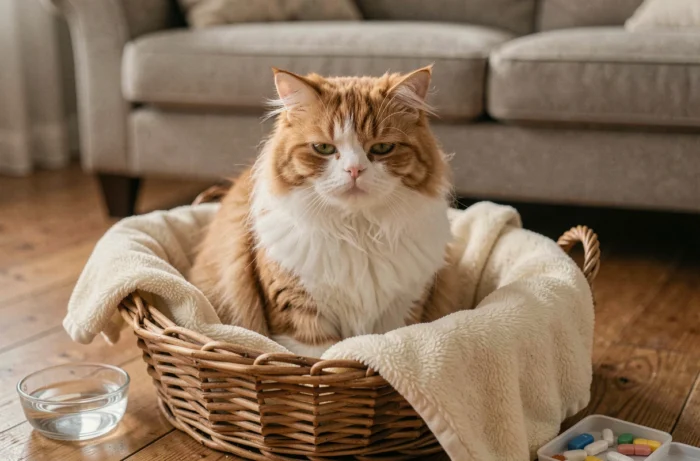
Digestive disorders related to clindamycin: distinguishing the benign from the concerning
The most common side effects of Zodon are gastrointestinal: vomiting and diarrhea. In the majority of cats, these manifestations remain moderate and disappear after stopping the treatment.
The line between a trivial side effect and a complication lies in the severity. Bloody or persistent diarrhea after stopping treatment may indicate colitis, including pseudomembranous colitis. This complication, linked to the proliferation of pathogenic bacteria such as clostridia, can appear during treatment but also several days after the last dose.
The course of action depends directly on what the owner observes:
- Transient soft diarrhea without blood or marked loss of appetite: monitor and mention to the veterinarian during the next contact, without panic
- Abundant, bloody diarrhea or diarrhea lasting more than two days: contact the veterinarian quickly, as an examination and possibly a change of treatment are necessary
- Repeated vomiting preventing the cat from keeping the medication down: report immediately, as the effectiveness of the treatment is then compromised
Secondary superinfection: when Zodon disrupts the cat’s flora
An antibiotic like clindamycin does not only destroy the bacteria responsible for the treated infection. It can also affect the normal bacterial flora of the cat, which promotes the proliferation of organisms that are not sensitive to the medication.
Specifically, resistant bacteria or yeasts can multiply and cause new infectious signs: unusual skin redness, itching, discharge, or a return of fever when the initial infection seemed controlled.
In the face of new symptoms appearing during treatment, the appropriate reaction is to have the cat reevaluated by the veterinarian rather than prolonging or interrupting Zodon on one’s own initiative. Modifying the duration or dosage without professional advice risks worsening the imbalance of the flora.

Contraindications and interactions of Zodon in cats
Zodon is not suitable for all cats. Hypersensitivity to clindamycin or lincomycin is an absolute contraindication. Cats with severe liver or kidney disorders require increased monitoring, as clindamycin is metabolized by the liver.
The most documented interaction concerns the combination with neuromuscular blocking agents: clindamycin can potentiate their effect. If the cat needs anesthesia during its treatment, the veterinarian must be informed.
Another point of caution concerns the antagonism between clindamycin and macrolides (such as erythromycin). These two families of antibiotics should not be administered simultaneously, as they neutralize each other at the bacterial binding site.
When to seek emergency care during Zodon treatment
Not all side effects warrant immediate consultation. Knowing how to prioritize allows for an appropriate response.
- Difficulty swallowing, hypersalivation, or regurgitation after taking the medication: suspicion of esophagitis, consultation within hours
- Bloody diarrhea or very liquid stools persisting beyond two days: risk of colitis, quick consultation
- Signs of allergy (swelling of the muzzle, breathing difficulties, hives): immediate veterinary emergency
- Appearance of new infectious sites during treatment: reevaluation necessary within a few days
The fundamental rule remains to never prematurely interrupt antibiotic treatment, even if the cat appears cured. Stopping too early promotes the selection of resistant bacteria and relapses. Only the veterinarian decides on the effective duration of the treatment.
Most cats tolerate Zodon without major complications when the administration is correct and the follow-up is respected. The gap between a treatment that goes well and a problematic treatment often lies in a tablet given without water, or in trivialized diarrhea lasting a few days too long.