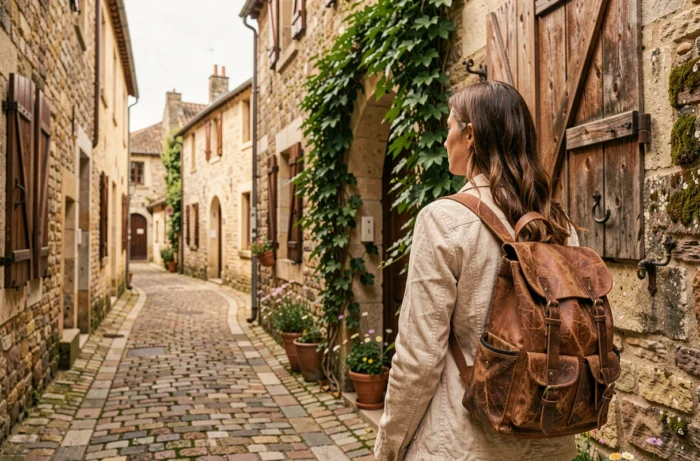
When looking to step off the beaten path in France, the first instinct is often to compile a list of photogenic spots. The problem is that these places become saturated, sometimes regulated, and the element of surprise disappears as soon as you reach the parking lot. Traveling in France to discover unusual places now requires a bit more method, especially because access to certain natural sites is now subject to reservation.
Mandatory Reservations and Regulated Access to Natural Sites in France
The Sugiton Cove, in the Calanques National Park, has required a free reservation during peak season since 2022. This system will continue in 2026 from June 27 to August 30, with a few additional weekends in June and September. The goal is to limit erosion caused by peak visitor numbers.
The Tour du Mont-Blanc follows a similar trajectory. Checks by a “green brigade” are announced on the trails to regulate the flow of hikers. You can no longer just show up on these routes as you could five years ago.
Specifically, before planning a weekend to a well-known unusual natural site, you should check three things:
- Does the site require a reservation system or a daily quota (this is the case for several calanques and mountain trails)?
- Does the chosen period fall during peak season, when slots are filled within hours?
- Is there an alternative access off-season, often free and much less crowded?
This constraint changes the way we travel. We no longer just spot a location on a map: we incorporate the regulatory calendar into our planning. This is also what allows for a truly unusual experience, far from the queues.
To organize this type of stay and identify destinations worth the detour, Touriste allows you to cross-reference regions with the types of activities available.
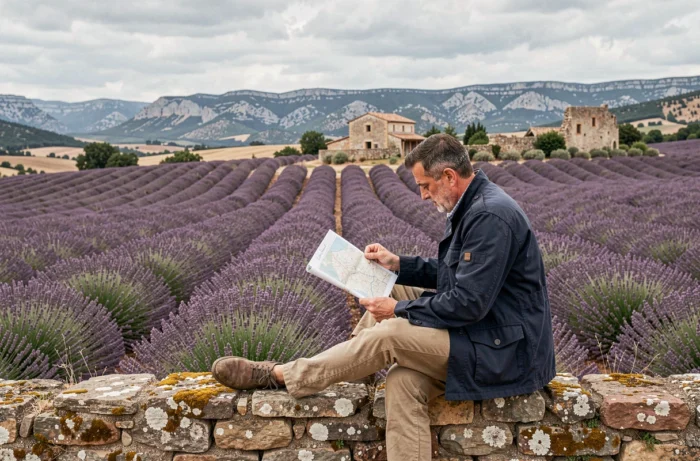
Unusual Places in France: Focus on Geology Rather Than Fame
The Verdon Gorges, the Dune of Pilat, or the cliffs of Étretat are beautiful, but their fame makes them predictable. To find truly exotic places, it’s better to look towards local geology, where the landscape resembles nothing familiar.
Stone Organs and Volcanic Formations
The organs of Ille-sur-Têt, in the Pyrénées-Orientales, are fairy chimneys sculpted by erosion. The site remains less frequented compared to the large canyons in the south. It is easily accessible, and the change of scenery is immediate without leaving French territory.
In the same vein, the basalt formations of the Massif Central offer volcanic landscapes that are more commonly associated with Iceland than with Auvergne.
Caves and Undergrounds to Explore
The La Verna cave, in the Basque Country, offers several options, from family-friendly visits to adventurous explorations.
This type of unusual place is available by reservation year-round, with wider slots in summer. Caving remains a niche activity in France, which ensures moderate attendance.
Traveling Off-Season in France: The Most Underestimated Lever
We often talk about unusual destinations, but rarely about the timing of our visit. The Bay of Somme in November, Lake Annecy in March, or the villages of Jura in October offer a completely different atmosphere than their summer versions.
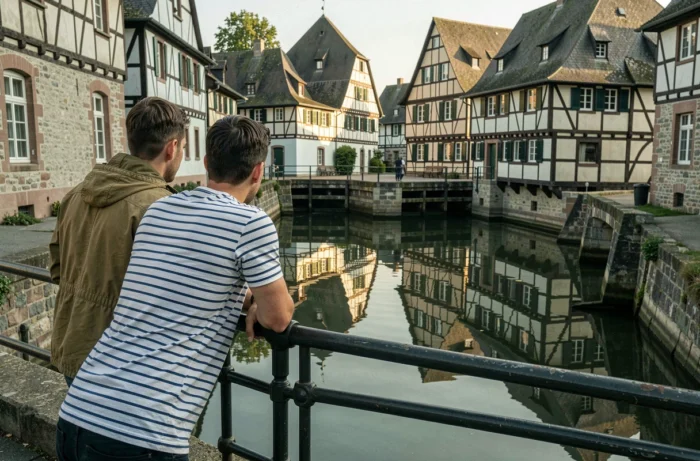
Traveling off-season transforms an ordinary place into an unusual experience. Accommodations are cheaper, owners have more time, and certain landscapes (morning mists, low light, winter wildlife) simply do not exist in July.
The Bay of Somme illustrates this shift well. In summer, it’s a classic family destination. In autumn, seals can be seen from the shore, the tides reveal vast expanses, and nature outings are done in small groups.
Constraints to Anticipate Off-Season
Some unusual accommodations close between November and March. Feedback on this varies by region: in Jura or in the mountains, the low tourist season sometimes corresponds to the high season for winter sports, complicating availability.
- Check the opening dates of protected natural sites (some trails close for vegetation regeneration)
- Contact hosts directly to know the reception conditions off-season
- Favor regions where the climate remains manageable: Atlantic coast, inland Provence, Rhône Valley
Law on Tourist Rentals and Impact on Unusual Villages
One aspect rarely addressed in travel guides concerns the real estate pressure in the most visited municipalities. The law of November 19, 2024, on the regulation of tourist rentals now allows municipalities to strengthen the quotas for change of use and lower the annual rental cap for a principal residence.
For travelers, this means that the supply of short-term rentals may decrease in certain popular villages. Classified municipalities can reserve entire areas for principal residences, mechanically reducing the number of available accommodations on platforms.
Anticipating this evolution is part of preparing for an unusual stay. We prioritize rural gîtes, guest rooms run by locals, or atypical accommodations (cabins, yurts, refuges) that partly escape this regulatory dynamic.
Discovering unusual places in France is no longer just about ticking names off a map. Regulation, seasonality, and the evolution of the rental market are significantly changing access conditions. Taking these parameters into account from the planning stage is what separates a frustrating weekend from a true discovery.