95% of the clothing sold in France is made elsewhere. Yet, Camaïeu bets on a revival that goes against the trend, driven by the boldness of a few buyers. After its liquidation in 2022, the brand could rewrite the rules of the textile game by focusing on domestic manufacturing. The project aims for a network of French workshops, accepting production costs higher than the European average. This direction aligns with the dynamics of reindustrialization and the growing demand for transparency, imposing a new organization and new economic choices for the brand.
Camaïeu’s acquisition project: a new era for the French textile industry?
Camaïeu, an iconic brand of women’s ready-to-wear, found itself under scrutiny after a judicial liquidation in 2022. Today, an ambitious industrial project is taking shape to bring it back to life. At the helm: Jean Ruiz, Karine Renouil-Tiberghien, and Arnaud Belabre, committed figures in the textile industry, ready to reposition the brand as a major player in French distribution. The Lille commercial court has validated their plan focused on relocation and transformation of the production chain.
The stakes are high. It is necessary to rebuild nearly 500 stores, create hundreds of jobs, and restore revenue while the ready-to-wear market is constantly changing. The revival team wants to restore Camaïeu’s historical presence, invest in the stores, and reconnect with the customers who built the brand’s reputation. The strategy, presented to the court, relies on a balance between industrial heritage and digital innovations: omnichannel, digitization, short circuits.
The project named Be Camaïeu aims to breathe new life into the local textile industry. The Renouil-Tiberghien family, already well-established in the sector, is betting on French know-how to bring manufacturing back to the heart of the territories. To discover more precisely where Camaïeu clothing is made and to gauge the scale of this revival, read on Style Papers. Behind the revival, the question of job preservation, the economic model, and industrial choices remains open. This bet could redefine the landscape of French ready-to-wear.
What are the challenges and stakes of made in France in the revival of Camaïeu?
Bringing textile production back to France? The idea is appealing, but the reality is more challenging. Relocalization requires rethinking manufacturing chains and juggling constraints on prices, labor, and quality. Workshops specializing in babywear and knitting, holders of recognized know-how, face the pressure of fierce competition, while fast fashion continues to dominate thanks to cut-price imports.
To lead this initiative, Karine Renouil-Tiberghien and Arnaud Belabre are focusing on value creation, transparency, and social innovation. Their goal: to ensure total traceability, strengthen ethical certifications, and position the brand within an eco-responsible dynamic. This positioning involves adapting distribution methods and reinventing the relationship with customers.
Here are the transformation axes emerging in this revival:
- Develop an omnichannel strategy, where physical stores and digital platforms work hand in hand
- Invest in training teams and cutting-edge digital tools
- Maintain consistency in collections and prices despite logistical challenges
Success will depend on the ability to articulate local production, environmental demands, and adaptation to current market expectations. Only then can the promise of made in France be sustainably embodied at Camaïeu.
Behind the scenes of manufacturing: how Camaïeu is reinventing its local production
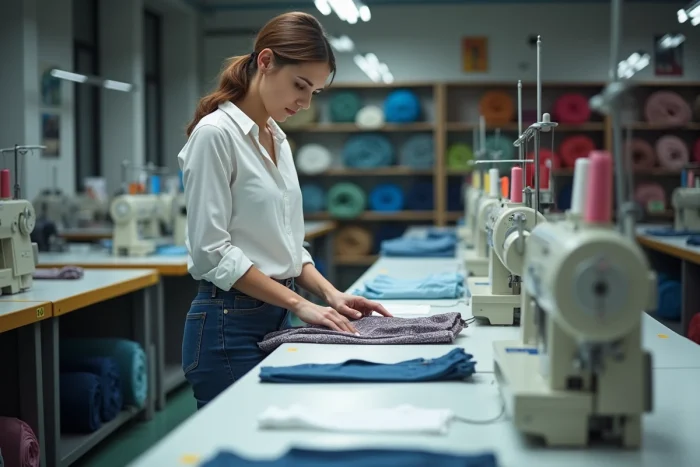
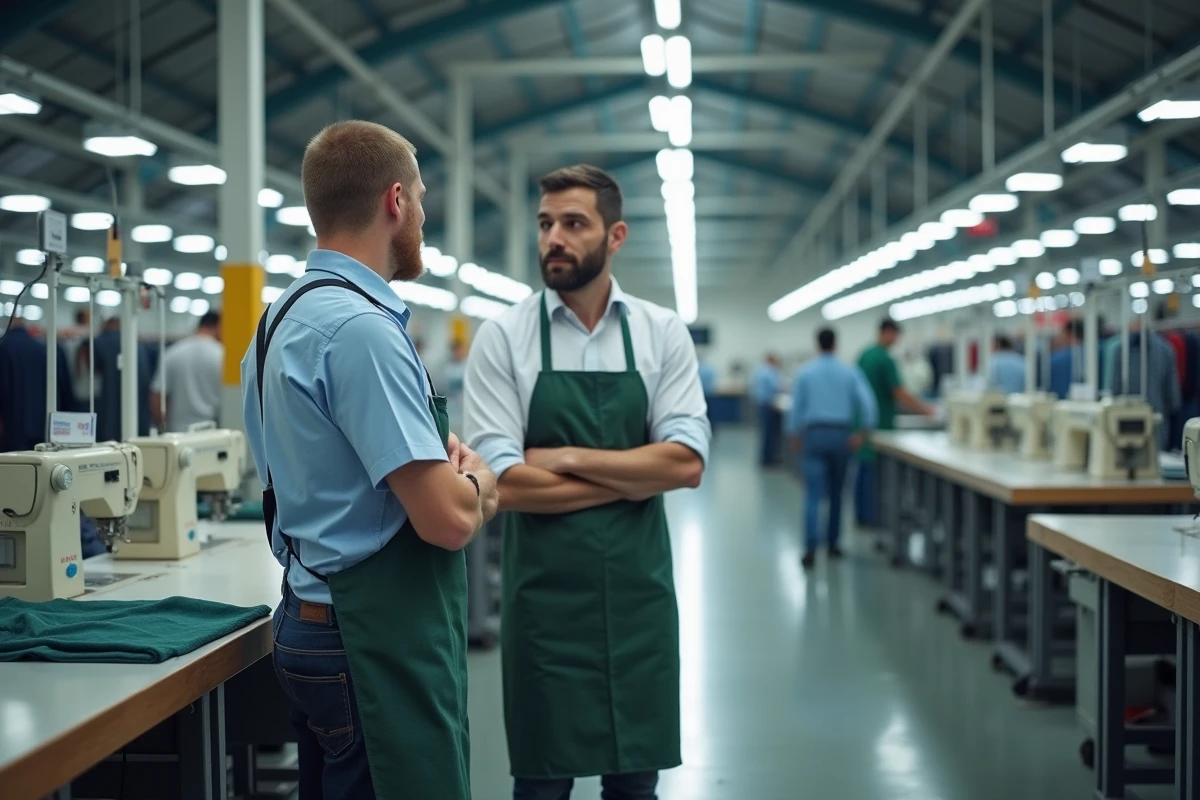
In the textile workshops, the revival is taking shape. Camaïeu, long synonymous with mass distribution, is now moving towards a discreet yet decisive modernization. On the cutting tables, fabrics advance, guided by valuable expertise rooted in the Nord region.
The teams have restructured the organization to shorten the manufacturing chain. This reduces lead times and allows for better control of each step. The workers in the babywear and knitting factories ensure the quality of each piece, with systematic checks from design to finishing. The size range is expanding, a sign of a genuine commitment to inclusion.
Digitalization is present at every stage: computer-aided design tools, facilitated exchanges with customers, stores transformed into interactive showcases. Instagram, online videos, everything is mobilized to connect physical points of sale with a coherent digital offer. This synergy weaves a renewed bond with the brand’s loyal customers.
Camaïeu is betting on a balance between textile tradition and innovation. The secrets of manufacturing, long reserved for a few insiders, are beginning to open up, revealing the face of a French industrial renaissance. The brand’s return will be anything but trivial: it could well reshuffle the cards of the French textile industry, through fabrics and new ideas.