A dog can detect certain types of cancer before advanced medical machines. The octopus, on the other hand, operates with three hearts and a confusing nervous system, while inventive ants cultivate their own mushrooms for food.
Within the animal kingdom, some animals live in societies and develop extraordinary social lives, while others prefer total isolation. Each adaptation, each way of life, writes a new rule on the animal chessboard, where diversity becomes the norm.
An overview of animal diversity: from the familiar to the unexpected
Animal diversity is not limited to the proximity of domestic animals or the fascination with the wild. It thrives everywhere on the planet, in its blind spots as well as in its most frequented places. An Australian mammal, the platypus, lays eggs and carries venom: where classification seems possible, an exception arises. Chimpanzees invent tools that they teach to their group, creating an animal culture to pass on. As for the octopus, it juggles with camouflage and manipulates objects, blurring our understanding of the boundaries between intelligence and instinct.
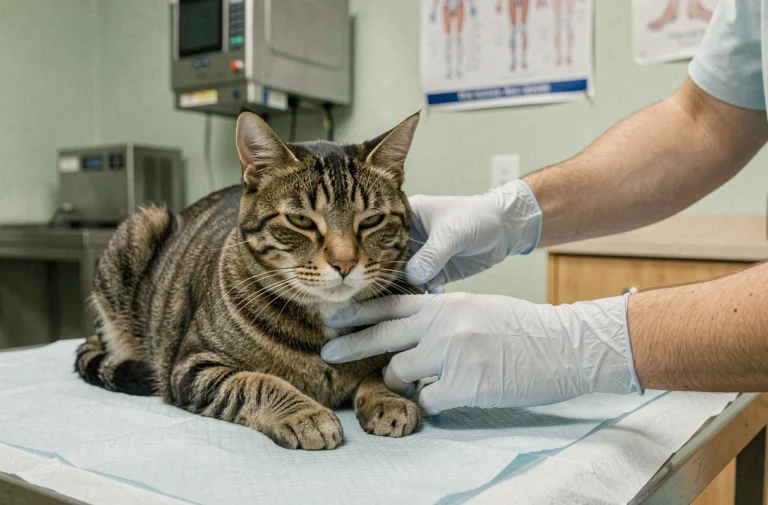
The history between humans and domestic animals has been written over thousands of years. The dog, a cousin of the wolf, shapes its life in contact with humans. The cat has adapted while maintaining a fierce independence. Households are now opening up to a new wave of new pets (NAC). To better understand this evolution, here are some iconic silhouettes:
- rodents
- reptiles
- exotic birds
This openness multiplies forms of cohabitation and blurs the lines.
Sometimes a sheep or a goat unexpectedly crosses the boundary between domestic life and wild existence. Some humpback whales innovate in their songs, even challenging biologists. Meanwhile, geese or the falcon are elevated to regional or cultural symbols, illustrating the immense place that animals occupy in the collective imagination.
For a complete panorama, discover all species at La Maison des Animaux: mammals, birds, reptiles, everyday animals or rare specimens, the creativity of life defies understanding and reshapes, every day, our connections with nature.
Domestic animals and wild species: behaviors and surprises
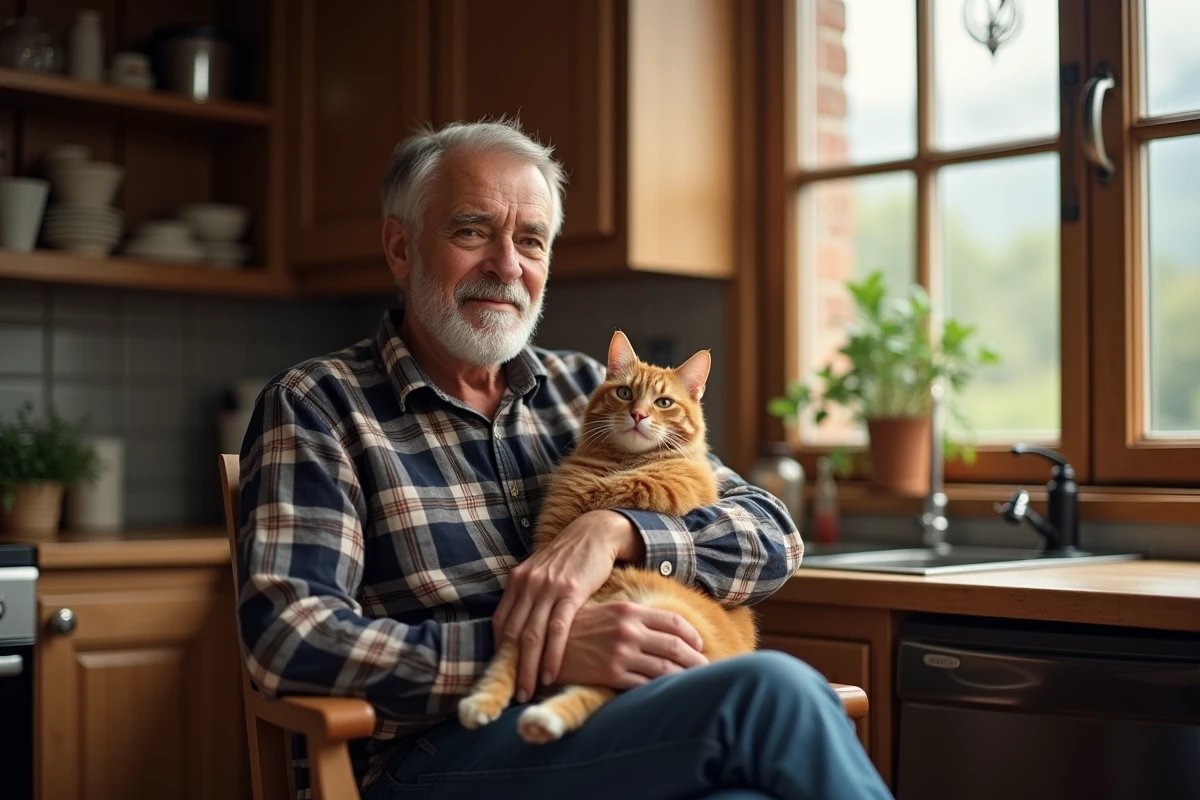
Our domestic animals have not only changed environments: they have evolved alongside us. The dog, domesticated since time immemorial, adapts to our uses and anticipates our emotions. It deciphers our postures, absorbs our life rhythms. The cat, initially chosen to hunt pests, continues to navigate between closeness and independence. Each breed, resulting from patient crossings, displays its own palette of temperaments.
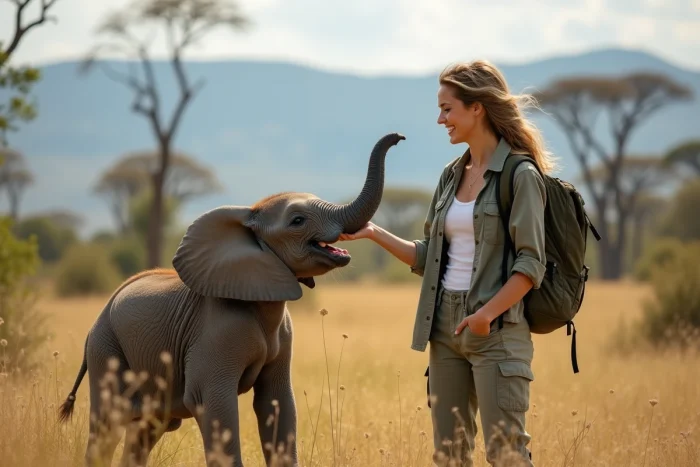
In many wild and exotic species, behavioral ingenuity rivals that of our companions. Chimpanzees make tools, dolphins use objects for hunting, and the octopus excels in camouflage. Humpback whales evolve their melodies, even developing regional repertoires.
Sometimes, the boundary completely fades: feral populations give rise to animals like the mustang or the dingo. Hybridization itself further complicates the picture, as seen in these unprecedented crossings:
- bison and cow
- wild boar and domestic pig
Domestication shapes not only animal behavior. It also transforms our landscapes, the surrounding biodiversity, and the fragile balance of territories. With each relationship woven, a mutation of life unfolds before our eyes, questioning the role of humans in the grand theater of species.
Between forests, deserts, and oceans: habitat shapes animal life
On every continent, the environment dictates its law. In the steppes, dense forests, sea, or mountains, it is the habitat that sculpts the animal. Domestic species also offer brilliant examples of resilience. Here are a few:
- the camel
- undisputed master of arid expanses
The camel withstands thirst and heat, carrying what no machine could bear in the desert. Horses adapt to both plains and rugged terrains. The cow, goat, and sheep transform pastures and meadows, actively participating in the economy and rural landscape.
In other environments, wild biodiversity shows overflowing creativity. Some fish thrive at peaks or in abyssal depths, where pressure, light, and temperature push for the invention of unprecedented solutions. The dromedary overcomes desert aridity, while rare reptiles and birds also evolve according to the terrain, always in search of new balances.
Domestication has literally reshaped the interaction between humans and their natural environment. The rise of industrial farming transforms species distribution and disrupts global biodiversity. Thus, our current landscapes bear the dual imprint of animals and humans, products of intertwined evolutions, successive compromises, and sometimes radical breaks.
Observing the animal world means accepting to be surprised, disturbed, and inspired by a thousand ways of living. Faced with this overflowing diversity, it is impossible not to question: how far will we go in redefining our connection with the rest of life?