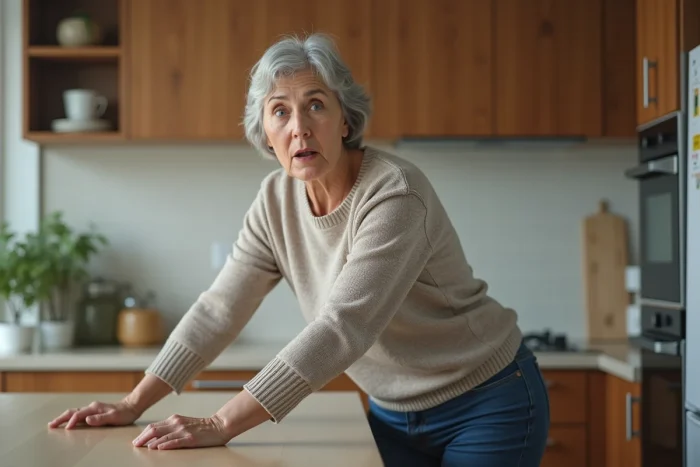
One in three adults over the age of 65 experiences a fall each year, according to data from the World Health Organization. This high frequency is surprising, especially since many risk factors could be identified and addressed beforehand. Yet, the majority of those affected minimize warning signs or hesitate to discuss them with those around them.
Behind these raw figures lies a complex reality: loss of balance does not stem from a single cause, but from a multitude of often unsuspected mechanisms. Sensory disorders, side effects of medications, or chronic illnesses can interfere, sometimes silently. Understanding these triggers paves the way for early action and helps avoid consequences that rarely go unnoticed.
Loss of balance in seniors: a common but often underestimated phenomenon
In older adults, balance can falter unexpectedly. It starts with a hesitant gesture, a shaky support, or sometimes just a lack of assurance. The statistics are staggering: nearly one-third of seniors face this issue each year. Walking becomes impaired, daily life turns hesitant, and fear sets in. After a fall, the injury is not just physical: repeated hospitalizations, loss of autonomy, withdrawal, the freedom of movement erodes just as quickly as self-confidence.
However, there is a wide range of situations to monitor:
- Gradual deterioration of sensory receptors involved in balance
- Decrease in muscle strength
- Vision problems
- Various neurological impairments
- Dysfunctions of the inner ear
- Adverse effects caused by certain medications
- Circulatory issues
- Pain and joint limitations due to osteoarthritis
Each of these factors, alone or in combination, exposes individuals to a risk of falling whose consequences are not easily erased. A break in balance can lead to a cascade of difficulties. Falls are, after the age of 65, the leading cause of accident-related deaths. Once fear takes hold, even the slightest movement is dreaded, physical activity decreases, and dependency looms. Staying alert to the first signs—weak legs, dizziness, temporary instability—often helps limit the extent of the problem.
In light of this, it is essential to pay attention to the causes of loss of balance and take action without delay. This is the best way to avoid normalizing risky situations and to maintain a margin of action in one’s living environment.
What are the causes and signs that should raise concern?
Balance disorders originate from the heart of bodily mechanisms. The inner ear coordinates, but it needs solid relays: muscles, eyes, nerve networks. If one falters, stability is compromised. Aging alone is accompanied by muscle weaknesses, visual degradation, or persistent illnesses. Meniere’s disease, Parkinson’s, multiple sclerosis, strokes—these conditions often degrade stability over the months. Other factors add to the mix: certain medications, heart disorders, osteoarthritis, or osteoporosis do not help.
To detect failure, several signs should alert both the individual and those around them:
- Repeated or severe dizziness
- Unsteady walking, hesitant supports
- Sensation of head rotation during posture changes
- Tinnitus or sudden hearing loss
- Nausea or even vomiting without an obvious cause
- New muscle weakness
- Blurred or fluctuating vision throughout the day
Behaviors change: grasping furniture with fingertips, slowing down, delaying movements. Benign paroxysmal positional vertigo, for example, occurs with a trivial gesture and can disrupt an entire day.
To make a diagnosis, an assessment is often essential. Clinical examination, postural tests, hearing evaluation, or even brain imaging—all contribute to clarifying the situation. Significant fatigue and stress further prompt quick consultation, without masks or compromises.

Concrete advice to prevent falls and secure daily life
Loss of balance changes many aspects of daily life, but nothing is irreversible. There are a series of measures to reduce the risk of falling and maintain a true quality of life. Small actions, big consequences: accumulation makes the difference.
Adapting the home environment
Various actions can effectively reduce accidents at home:
- Improve lighting, especially in hallways and staircases
- Remove or secure slippery rugs, organize electrical cords, replace wobbly furniture
- Add grab bars in the shower, install non-slip surfaces and handrails
Consulting an occupational therapist can transform daily space and limit dangerous situations.
Strengthening balance and musculature
Maintaining one’s body is accessible to everyone through various solutions:
- Regularly practice targeted exercises: balance, muscle strengthening, walking, yoga, swimming, tai chi
- Consult a physiotherapist to work on balance or engage in personalized vestibular rehabilitation
Starting these routines before fragility sets in helps preserve a margin of freedom and delays dependency.
Acting on diet and hydration
Some basic nutritional recommendations include:
- Adopting a diet rich in vitamin D and calcium to support bones and the muscular system
- Maintaining good daily hydration and reducing alcohol, which exacerbates balance disorders
As soon as loss of balance becomes constant, or if dizziness occurs, it is better to consult a healthcare professional to avoid any more serious risks.
Staying upright, continuing to walk straight: every solution adopted extends the path ahead. Vigilance is what offers the chance to move ever further, on one’s own supports.