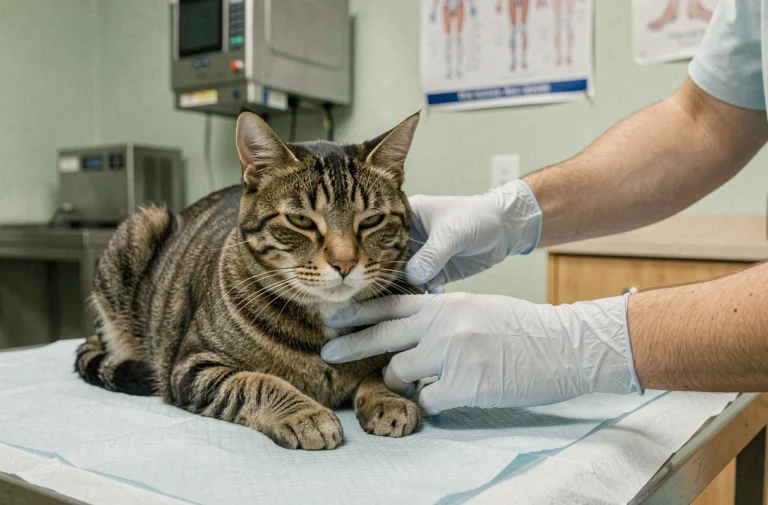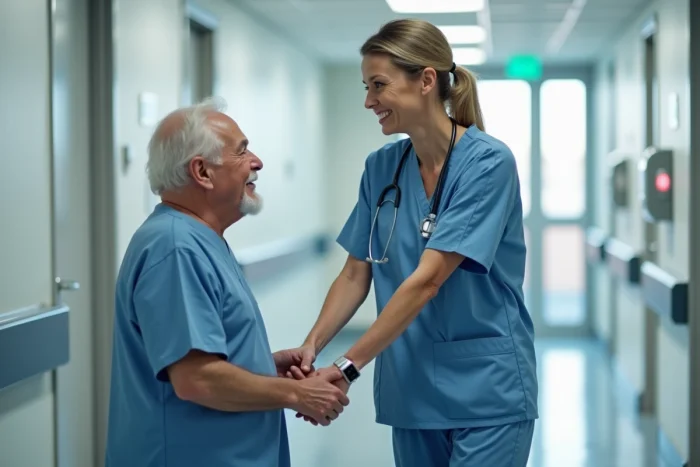
A professional fault does not always arise where one expects it: a simple failure to maintain confidentiality can be enough to engage the responsibility of a nurse, even independently of any concrete harm to the patient. The High Authority of Health draws a clear line: technical competence is not enough. It must be supplemented by relentless vigilance in the realm of human relationships and ethics.
Training is no longer an individual choice, but a requirement clearly stated in the code of ethics. In every situation, whether under pressure or not, respect, neutrality, and kindness are non-negotiable. Professional recommendations serve as safeguards: they prevent deviations, protect the quality and reliability of the care provided.
What nursing professionalism encompasses today: ethics, respect, and responsibilities
Practicing as a nurse today means adhering to a true ethics of care that goes far beyond technical gestures. In front of the patient, the nurse does not simply apply a procedure: they observe, listen, and adapt their interventions to the person they are accompanying. To respect is also to weigh one’s words, to give importance to every silence, to recognize the dignity and rights of each individual. The quality of the relationship, just like the quality of the gesture, shapes trust and safety.
Discretion, responsible management of sensitive information, neutrality in the face of diversity: these requirements are non-negotiable. The profession does not stop at executing a medical prescription. It requires evaluating, deciding, prioritizing, sometimes in urgency, autonomously, and thus taking responsibility, even in the shadows.
Following good nursing practices relies on several pillars: quality of care, patient safety, teamwork, and continuous learning. This implies questioning one’s routines, updating one’s knowledge, and sharing observations. Maintaining a professional posture also means recognizing one’s limits, seeking advice, refusing leniency in the face of error, and preserving the collective dynamic and the trust that unites patients and caregivers.
Commitment to this profession involves constant vigilance, regular updating of knowledge, and ongoing questioning of the meaning and implications of each action taken. This rigor nurtures public trust and ensures the quality of care in a constantly changing healthcare landscape.
What skills and attitudes are expected in the paramedical sector?
In the paramedical sector, expectations are clear: one must combine precise professional skills with an impeccable posture. From training and throughout their career, the ability to analyze sometimes complex situations makes a difference. Self-evaluating, questioning one’s choices, adjusting practices: this is the daily life of the caregiver, whether a beginner or experienced.
Clinical evaluation, when conducted rigorously, remains one of the foundations of the profession. With each patient, every detail matters, every gesture is weighed, based on precise analysis and experience that sharpens over time. This clear-sighted approach allows for prioritizing, triggering alerts, or revisiting care management.
Here is what structures the expected professional attitude:
- Practice analysis: confronting one’s experience with that of peers, cultivating constructive doubt;
- Continuous updating: integrating research advancements, multiplying perspectives, refining practice;
- Measuring competencies: evaluating the impact of decisions, relying on objective criteria, accepting challenges to one’s practice.
The quality of care does not depend solely on technique: it also relies on the ability to adapt to each context. Health managers, demanding, encourage this vigilance in the face of complexity, promoting collective progress towards safer and more humane practice.
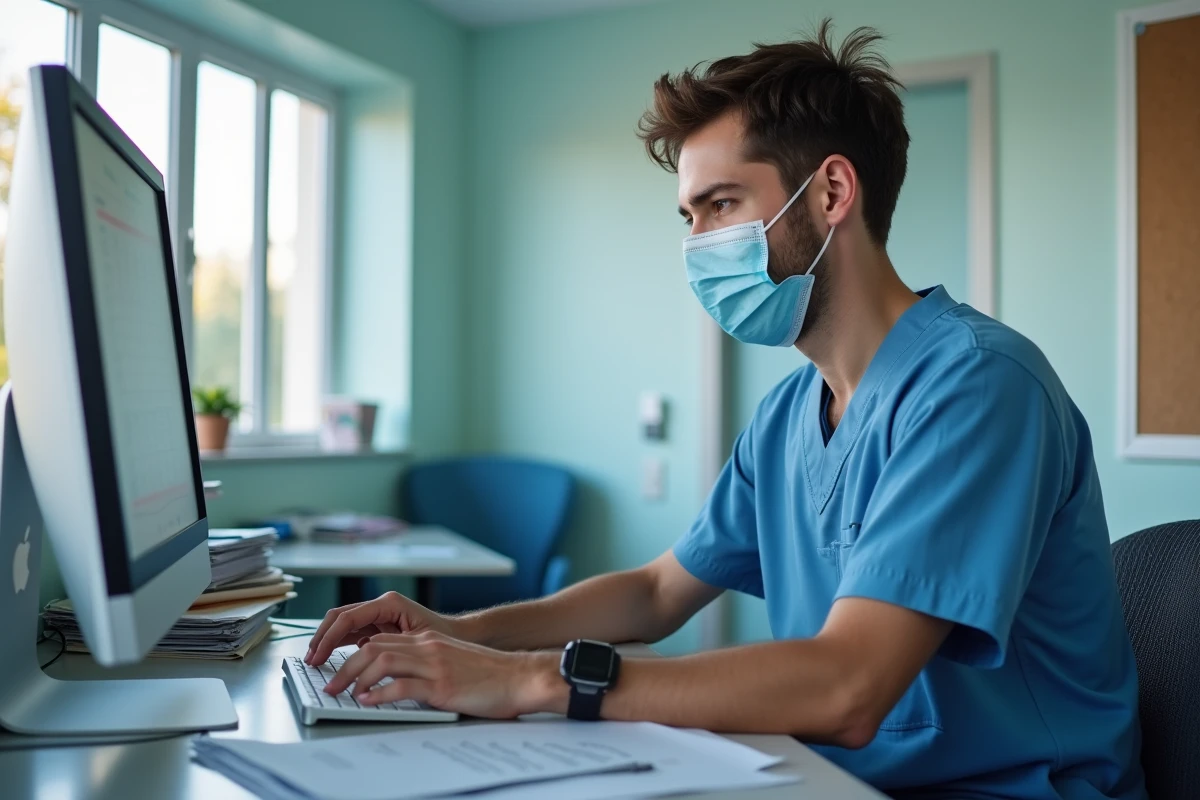
Continuous training and recommendations from the High Authority of Health: levers for professional excellence
Continuous training has become an essential pillar to ensure the safety and quality of care. More than just recycling, continuous professional development invites each nurse to revisit their knowledge, to re-examine their practices in light of advancements and recommendations from the High Authority of Health. These frameworks serve as support points: they frame practices, facilitate evaluation, and lay the groundwork for recognizing competencies.
Whether practicing in Paris or elsewhere, investing in training shapes a collective capable of adapting, innovating, and preventing risks. The validation of acquired experience (VAE) strengthens this system: it allows those who have learned on the ground to have their skills officially recognized, whether they work in clinics, hospitals, or at home. This dynamic, coupled with the demand for regular evaluation, permeates the entire healthcare system.
Several axes structure this movement:
- Application of recommendations: ensuring evidence-based care;
- Regular evaluation of practices: a driver for improvement and accountability;
- Health education and prevention: a central dimension of a holistic approach to care.
Through its frameworks and publications, the High Authority of Health influences the daily lives of teams. Its goal: to raise quality, secure pathways, strengthen patient autonomy, and reaffirm the place of the nursing profession at the heart of the French healthcare system. The profession is thus written at the intersection of technical demands, human commitment, and collective reflection, with each gesture, each decision, weighing a little more in the balance of trust.