
A brand can disappear from the landscape without ceasing to inhabit collective memory. The Quelle catalog, once ubiquitous in mailboxes, took its final bow in 2009, ending more than eight decades of a commercial adventure that marked Europe. This disappearance resonated like the end of a certain relationship with consumption, where surprise and choice slipped directly into hands, page after page.
A symbol of mail order: the rise of the Quelle catalog
To mention mail order without citing the Quelle catalog is to miss a centerpiece. In the late 1930s, Gustav Schickedanz invented an unprecedented concept: a catalog of items to order, delivered everywhere, even to places where only newspapers had previously arrived. Deutsche Post propelled this project, establishing a logistics system capable of delivering the same selection to households in Berlin as in those in Strasbourg.
In the post-war years, every household browses this book that has become a ritual. The pages flow, offering clothing, appliances, games, and furniture. Careful graphics, clear sections: Quelle creates a visual reference that crosses Europe. Its booklet becomes the emblem of distance selling, German-style: precise, innovative, and accessible.
The 2000s confirm this leadership. The network expands with Primondo, delivery speeds up, teams grow, and trust increases. But one sign does not deceive: online, people are actively searching for does the Quelle catalog still exist. The brand then inscribes itself in the long term, well beyond mailboxes.
Why did the Quelle catalog disappear from mailboxes?
The year 2009 marks a turning point. The Arcandor group collapses, unable to face the digital transformation. Habits change: purchasing becomes immediate, ordering takes place behind a screen, and express returns become the norm. Paper, once reassuring, fades before the speed of the digital age.
The technological revolution brings new services: mobile apps, instant notifications, personalized discounts. Consumers expect unprecedented flexibility: real-time package tracking, simplified right of withdrawal processes. The paper catalog becomes anachronistic; it no longer fits with modern impatience.
Quelle, which built its reputation on choice, reliability, and organization, sees its advantages erode. Standards evolve rapidly: secure payments, European harmonization, rethought guarantees. When paper stops, an entire era silently fades from building entrances and mailboxes.
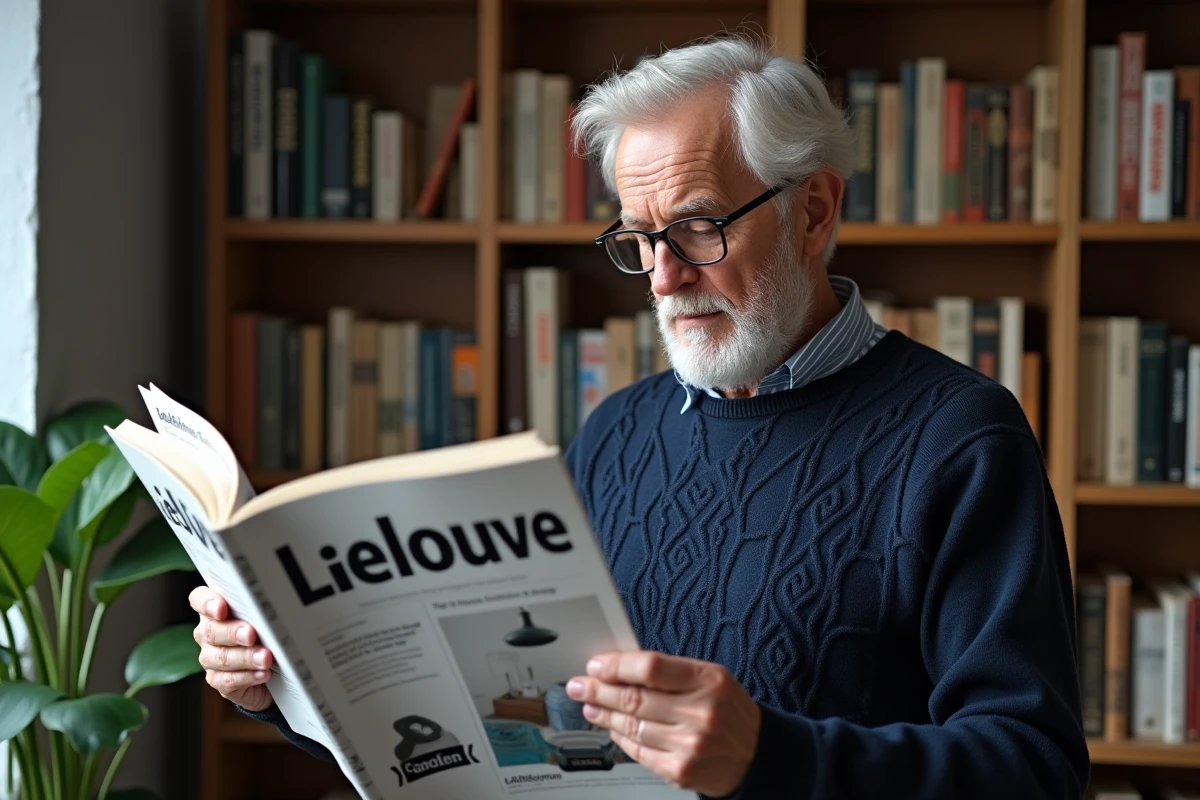
What remains today of the Quelle spirit and where to find reliable sources to learn more
The Quelle catalog no longer circulates, but it continues to live on in collective memory and in attics. Some still stumble upon an old booklet, the last echo of a time when the arrival of a package was awaited like a small event. Beyond the object, the influence remains: logistical rigor inherited from Deutsche Post, a habit of crafting clear descriptions, and even the first structured comparisons integrated into today’s e-commerce sites.
Traces of Quelle can be found in many modern practices: customized customer spaces, refined management of the right of withdrawal, and references to the legal conformity guarantee now so familiar to European consumers.
Here are some leads for those who wish to delve into this history and find valuable archives:
- The German heritage funds, rich in original editions from the group.
- University studies dedicated to mail order and the impact of the Quelle model on European commerce.
- The website www.quandjeseraigrande.net, where analyses, scanned archives, and precise insights about the brand can be found.
- Specialized works on distance distribution in France and Germany, highly valued by economic history enthusiasts.
Collectors and nostalgics still keep it alive: they share finds, discuss on forums, and circulate these objects from the past during dedicated gatherings. A testament that memory, far from being frozen, continues to engage with the present.
Paper has faded away. But the echo of the catalog traversing homes holds strong: it only takes an old booklet reopened to awaken the desire to wait, not just to consume.