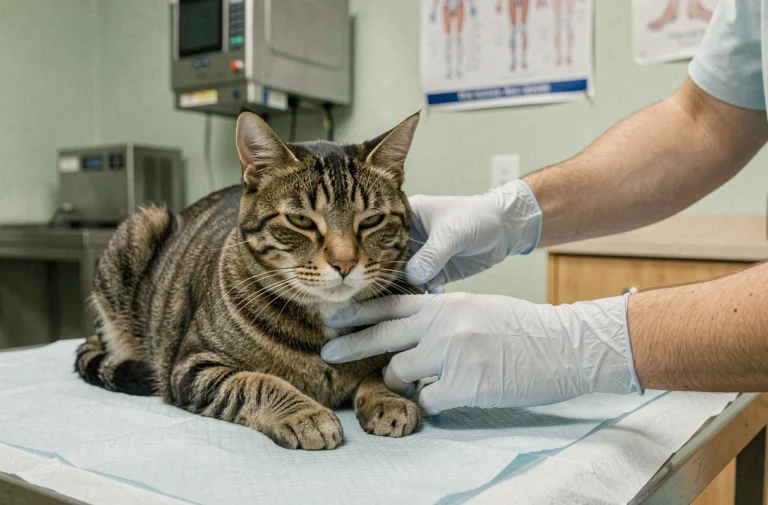
A puppy can be infested with worms even before its birth. Transmission usually occurs in utero or during breastfeeding, making contamination almost inevitable in the first days of life.
Veterinary protocols recommend a precise deworming schedule, often misunderstood or neglected, while the health risk to the animal remains high even after an initial treatment. The interval between two dewormings and the choice of product must be adjusted to the puppy’s age and lifestyle, or else serious complications may arise.
Worms in puppies: understanding the risks and spotting signs of infestation
The puppy, from its first days, finds itself fighting against intestinal parasites that take advantage of any weakness. The mother often transmits these unwanted hosts before birth or through breast milk. However, the environment, fleas, rodents, or contact with other pets add their share of risks. Among the most common are roundworms such as ascarids, nematodes, hookworms, or whipworms, not to mention flatworms like tapeworms (Dipylidium caninum and Echinococcus spp). They all have one thing in common: they seriously compromise the puppy’s health.
Some signs should immediately draw attention. Here are the manifestations to watch closely, which often indicate a parasitic infestation:
- A swollen or distended belly
- An unexplained weight loss
- Digestive issues such as diarrhea or vomiting
- A recurring cough
- A dull coat or less shiny fur
- Anal itching, signs of anemia, or behavioral changes: lethargy, irritability, decreased appetite
In a young puppy, any alert should be taken seriously: these symptoms can quickly worsen. And it’s not just about protecting the animal. Some intestinal parasites are transmissible to humans, especially to children, who are more sensitive to these infections. In light of this danger, the question is no longer whether to treat, but when to deworm a puppy to protect its health and that of the whole family. As soon as worms appear in the stools or vomit, action must be taken without delay to avoid complications for both the puppy and the humans living with it.
When to deworm your puppy for effective protection?
Implementing deworming at the right time gives your puppy every chance to grow without obstacles. From the age of two weeks, the routine begins. Intestinal parasites do not wait, so the schedule must be followed to the letter. Between birth and two months, the puppy receives a dewormer every two weeks. From 2 to 6 months, the frequency changes to a monthly administration. After six months, regularity must be maintained: three to four treatments annually depending on the dog’s lifestyle.
Here’s how the deworming protocol is organized for each stage:
- 2 weeks to 2 months: deworming every 2 weeks
- 2 to 6 months: once a month
- After 6 months: 3 to 4 times a year
From the first veterinary visit, it is recommended to check the proper application of this protocol. The vaccination of the puppy will be even more effective if it has been previously treated for worms. The choice of dewormer depends not only on weight and age but also on the puppy’s environment and lifestyle. An animal living in a community, going out often, or interacting with other dogs requires even more attention.
All animals in the household should be treated at the same time. This measure limits recontamination and provides lasting protection for the group. And deworming does not stop at the end of growth: it accompanies the dog throughout its life, with adjustments based on its habits and living conditions. Staying consistent in prevention helps avoid many troubles related to internal parasites.
Treatments, prevention, and natural solutions: how to ensure your companion’s well-being
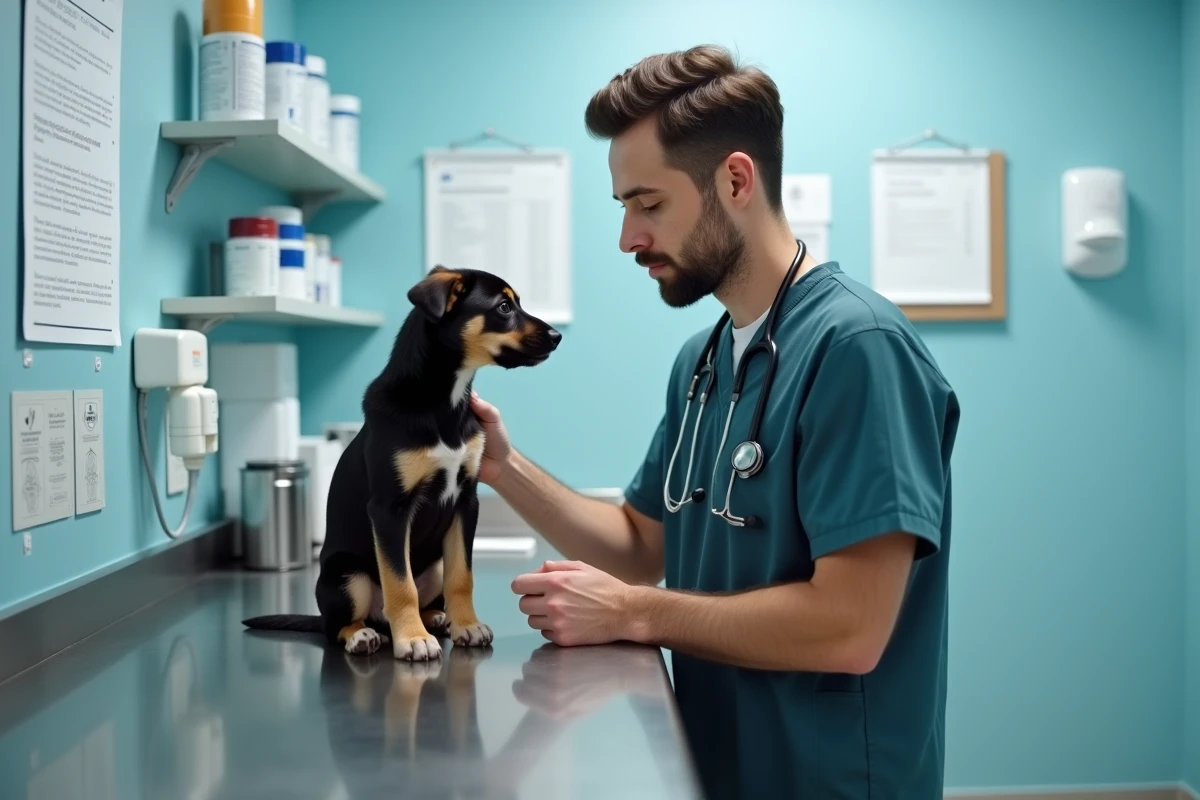
To protect a puppy from intestinal parasites, it is essential to combine appropriate treatments with impeccable hygiene. Dewormers, prescribed by the veterinarian, come in several forms: tablets, pipettes, syrups, oral pastes, or injectable solutions. Their action is swift: within 24 to 72 hours, the intestinal worms are expelled through the stools. Sometimes, digestive issues, vomiting, mild diarrhea, or slight fatigue may occur, but these effects are temporary. If the puppy’s condition changes or its environment shifts, follow-up with the veterinarian allows for protocol adjustments.
Adopting strict hygiene habits makes all the difference. Picking up the puppy’s stools as soon as they are produced, avoiding any contact with droppings or stray animals, regularly cleaning bedding and high-traffic areas: all of this reduces the possibility of recontamination and protects the family, including the youngest members, from zoonoses.
As for natural solutions, garlic, thyme, pumpkin seeds, diatomaceous earth are often discussed on forums, but their effectiveness remains uncertain. Some, like garlic, can even be dangerous for puppies. Before attempting any, it is best to consult your veterinarian to avoid unpleasant surprises.
The cost of an anti-parasitic treatment depends on the chosen product: expect to pay between €5 and €15 for a tablet, and from €8 to €20 for a pipette. Some veterinary follow-ups, useful in specific cases, start around €59. Tailoring the frequency and choice of product to each individual situation ensures the puppy’s optimal health and a peaceful growth.
A well-protected puppy is a companion that runs, plays, and explores without hindrance. Under the watchful eye of its owner, it moves forward without fearing the invisible traps lurking at every corner of the garden.