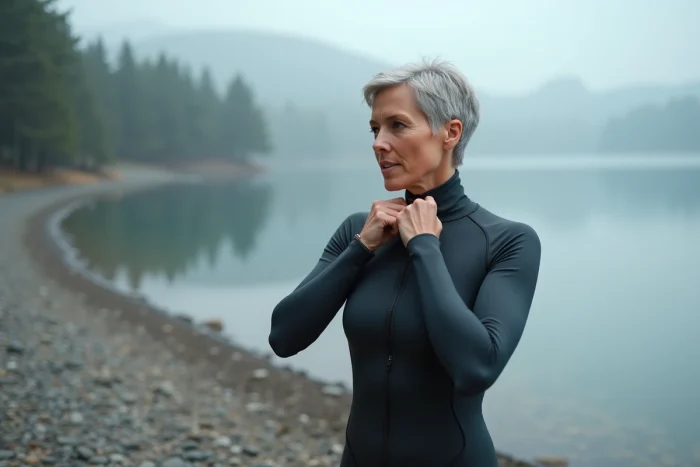
No statistics exist to measure the goosebumps when emerging from a glacial lake. Yet, every cold water swimmer knows that a poorly chosen wetsuit leaves no room for error. There is no miracle solution: the ideal thickness depends on the water, the weather, but most importantly, on each individual’s tolerance. The rules of certain competitions, sometimes absurd, ban the most protective models, even when the temperature flirts with the extreme. Many imagine that all wetsuits are equal once the right size is found. This is a mistake that can be costly. Differences in cut, elasticity, or ease of putting on influence safety as much as performance. Finding the right balance between freedom of movement, insulation, and price is often where the puzzle begins.
Swimming in cold water: understanding the stakes to equip yourself properly
Cold water swimming intrigues, attracts, and sometimes confuses. Immersing yourself in a lake, a river, or facing the swell exposes you to temperatures that drop well below 15 °C. Improvisation is impossible: in these conditions, thermal resistance becomes your best ally, whether you are a novice or an experienced swimmer. The neoprene wetsuit quickly becomes a necessity to avoid the dangers of hypothermia and ensure a minimum of comfort in all circumstances.
This is not just a simple variant of pool swimming. The health benefits are numerous: enhanced immunity, faster muscle recovery, boosted morale. But the cold does not forgive. Cardiac issues, injury risks, sudden chills: mental preparation counts almost as much as the wetsuit. Get ready: warm-up, breathing, routine before and after the session, every gesture matters.
To face the elements, there are wetsuits for cold water swimming suitable for every temperature and body type. These pieces of equipment ensure insulation, buoyancy, and glide in the water. Depending on the duration or intensity of the effort, add accessories to your arsenal: hoods, gloves, or neoprene booties protect the extremities, which are particularly vulnerable. Winter swimming requires method and experience: every choice counts, nothing is left to chance.
What criteria should you prioritize when choosing a wetsuit suited to your needs?
Choosing a neoprene wetsuit for cold water swimming is never limited to color or size. Several technical aspects come into play. The first: the thickness of the neoprene. Depending on the water temperature, aim for a thickness that varies from 2 to 7 mm. The lower the mercury drops, the more you will need to focus on enhanced insulation to prevent heat loss.
Fit to body shape is equally crucial. A well-thought-out cut limits water infiltration, improves buoyancy, and glide. Too loose, the wetsuit lets cold water in; too tight, it hinders your movements. Pay attention to the seams: they should be waterproof. The back zipper helps limit heat loss. If you are swimming competitively, check compliance with FINA rules.
Here are the elements to compare to refine your selection:
- Type of wetsuit: a full suit for very cold waters; a shorty or sleeveless model for mid-season.
- Complementary accessories: hood, gloves, neoprene booties, everything to protect your extremities from the cold.
- Swimsuit under the wetsuit, to limit irritation and enhance comfort.
Your choice will also depend on your practice, the duration of your outings, and the environment: rough sea, calm lake, river. Consult a guide to compare: insulation, freedom of movement, ease of putting on, durability. Test several adjustments if possible: this is the key to equipment that you forget once in the water, without unpleasant surprises.
Comfort, safety, and performance: essential tips for a successful experience
Cold water swimming is not just about buying a good wetsuit. Your safety begins as soon as you enter the water. Equip yourself with a safety buoy to remain visible and have support in case of fatigue. A whistle can make all the difference: it quickly attracts attention, especially if the cold slows your reactions.
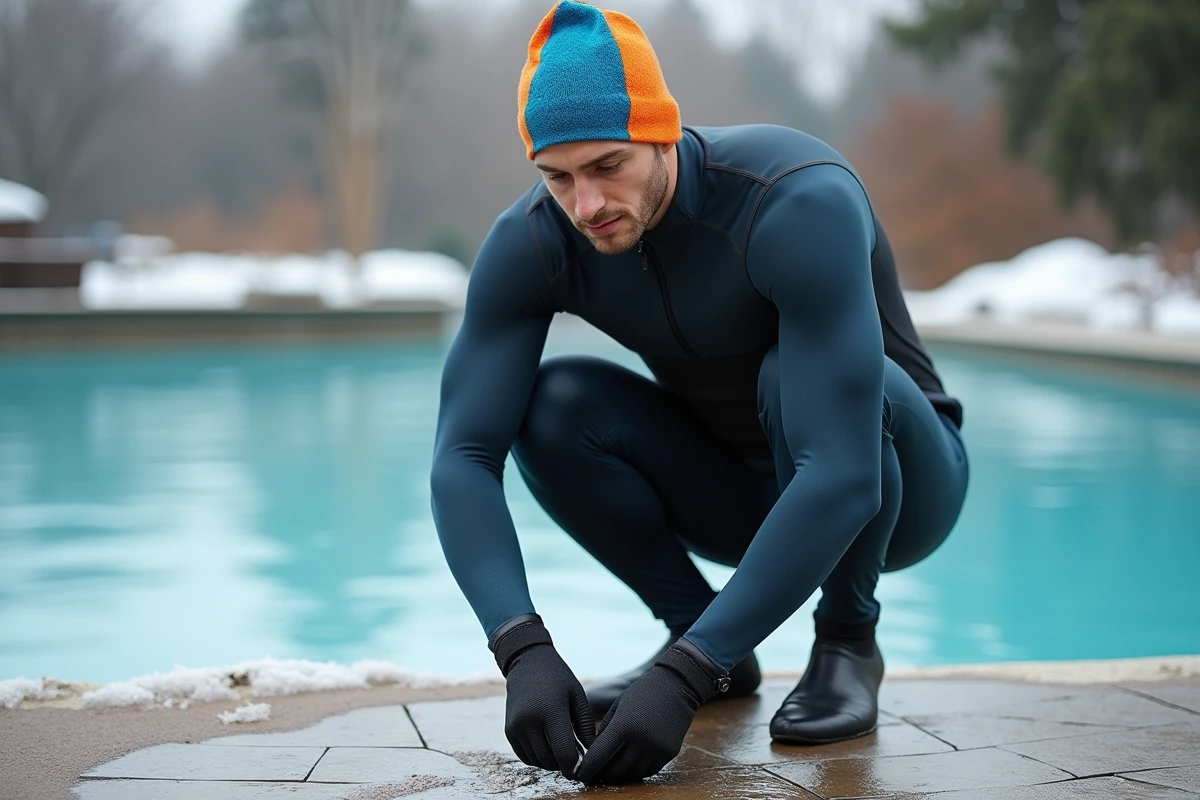
Never neglect the protection of your extremities. Neoprene booties and hoods limit heat loss; hands and feet are the first to cool down. For your eyes, opt for glasses suitable for the light: polarized or photochromic to counter glare. After the session, wrap yourself immediately in a poncho or warm clothing to avoid thermal shock.
Thorough maintenance prolongs the life of your equipment: rinse with fresh water, dry away from the sun, store flat or on a wide hanger. Swim with others whenever possible: group vigilance reduces risks. A waterproof GPS watch allows you to track your route and ensure a minimum of monitoring for loved ones left on the shore. In open water, everything hinges on preparation, rigor, and attention to detail: this is where swimming becomes a shared pleasure, even when the temperature makes the thermometer shiver.